
If you adore pets—from playful pups to curious snakes—you know that each animal’s care needs are unique. But for reptile owners, getting temperature and environment right isn’t just a nice‑to‑have—it’s essential for survival. In this guide, you’ll learn the top reptile temperature & environment tools, how they improve your pet’s health, and actionable tips to create the perfect habitat your cold‑blooded friend will thrive in.
By the end of this article, you’ll:
- Understand why proper temperature and environment control is vital for reptiles
- Know which tools every reptile owner should use
- Get step‑by‑step setup and troubleshooting tips
- Gain confidence in monitoring and adjusting your pet’s habitat
Why Reptile Temperature & Environment Matter
Reptiles are ectothermic, meaning they rely on external heat sources to regulate their body temperature. If your reptile’s environment is too cold, it can’t digest food properly, fight off illness, or stay active. Too hot, and they risk heat stress or organ failure.
That’s where the right tools come in.
What Tools Do You Really Need?
Thermometers: The Foundation of Environment Monitoring
Types of Thermometers
- Digital probe thermometers – Accurate readings inside hides or near basking spots
- Infrared thermometers – Quick surface temperature checks
- Analogue dial thermometers – Basic, inexpensive options
Actionable Tip: Place one thermometer in the cool zone and one in the basking zone. Readings should vary depending on your reptile species (e.g., bearded dragons like basking temps around 95–105°F / 35–40°C). Adjust as needed throughout the day.
Hygrometers: Don’t Forget Humidity
Humidity affects shedding, breathing, and hydration.
Example Use Case:
A green tree python requires 50–70% humidity. A desert‑dwelling bearded dragon may only need 30–40%. A quality digital hygrometer helps you track whether you need a humidifier or more ventilation.
Actionable Insight:
Place one hygrometer at ground level and one higher up if your enclosure has vertical space. This helps you identify humidity gradients.
Heating Tools: Create the Perfect Thermal Gradient
Reptiles need a thermal gradient—a range of temperatures from warm to cool so they can self‑regulate.
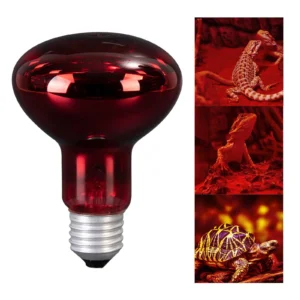
Ceramic Heat Emitters & Heat Lamps
These tools provide consistent warmth without light disruption at night.
Pro Tip: Use a ceramic heat emitter at night and pair it with a thermostat to avoid overheating.
Under‑Tank Heaters (UTH)
Best for species that absorb heat from beneath, like leopard geckos.
Actionable Step:
Install a thermostat and never run a UTH without one—direct contact can cause burns.
Advanced Environment Tools
Smart Thermostats & Controllers
These devices automate temperature control:
- Schedule day/night cycles
- Adjust heat output based on readings
- Receive alerts if temperatures go out of range
Why It Matters:
Consistent temperature means fewer health risks and less guesswork for you.
Environmental Sensors
Next‑gen sensors can monitor:
- Temperature
- Humidity
- Ambient light levels
Trend Insight:
Smart environment sensors connected to apps give real‑time alerts—a must for reptile owners who travel or work long hours.
How to Set Up Your Reptile Habitat: A Step‑by‑Step Checklist
Step 1: Choose the Right Enclosure
Before tools, choose a size and material that support proper airflow and insulation.
Step 2: Install Base Heating
Place heat mats or lamps per your reptile’s species needs. Always connect to a thermostat.
Step 3: Add Monitoring Tools
Set up thermometers and hygrometers in both warm and cool zones.
Step 4: Adjust and Observe
For the first week, check morning and evening:
- Are temperatures within species‑specific ranges?
- Is the humidity steady?
- Is your reptile active and eating?
Adjust heating or ventilation as needed.
Common Mistakes and How to Avoid Them
Mistake #1: Relying on One Tool
One thermometer doesn’t show the full environmental picture. Use multiple sensors to cover all zones.
Mistake #2: Ignoring Night Temperatures
Reptiles still need warmth at night. A drop of 10–15°F is okay, but monitor with a reliable tool.
Mistake #3: Over‑humidifying
High humidity without proper ventilation can cause respiratory issues. Balance with vents or fans.
Example Tools and How They Help
- Digital Dual‑Probe Thermometers: Track two zones at once
- Smart Environment Controllers: Automate day/night cycles
- Infrared Thermometers: Instant surface temps before adjusting tools
These tools not only keep your reptile safe, but they also save you time and reduce stress.
Conclusion: Build Confidence in Your Reptile Care Routine
Providing the right temperature and environment isn’t guesswork—it’s a science backed by reliable tools. By using quality reptile temperature & environment tools, you empower yourself to create a healthier, more comfortable life for your pet.
Key Takeaways:
- Reptiles depend on external heat and humidity
- Use multiple monitoring devices for accuracy
- Automate where possible to reduce daily stress
If you found this guide helpful, sign up for our newsletter for more expert pet care tips and share this post with fellow reptile lovers. Ready to take your reptile habitat to the next level? Explore our other posts on feeding, lighting, and more.

0 Comments