Whether you’re a seasoned reptile enthusiast or you’re preparing to welcome your first bearded dragon, gecko, or ball python, caring for reptiles is a rewarding journey that requires insight, patience, and the right Reptile Care & Maintenance Supplies (Non‑Digestible). This guide walks you through the essentials while answering the common questions reptile lovers search for — from proper habitat setup to stress‑free feeding environments.
In this post, you’ll learn practical steps and expert tips on selecting and using the right non‑digestible supplies that support your reptile’s health and well-being. Let’s dive into how the right tools can elevate both your confidence and your pet’s quality of life.
Why Non‑Digestible Reptile Care Supplies Matter
Before we unpack the list of must‑have supplies, it’s important to understand why non‑digestible maintenance tools are foundational for reptile care. Unlike food or supplements, these items don’t provide nutrition — but they are essential for:
- Regulating temperature and humidity
- Supporting natural behaviors
- Keeping enclosures clean and safe
- Reducing stress and risk of illness
Many new reptile keepers underestimate the value of non‑digestible supplies. In fact, even small omissions — like missing a hygrometer — can lead to unhealthy conditions that are difficult to detect until they become serious.
Setting Up the Perfect Habitat: Supplies That Make a Difference
1. Reliable Heat & Lighting Systems
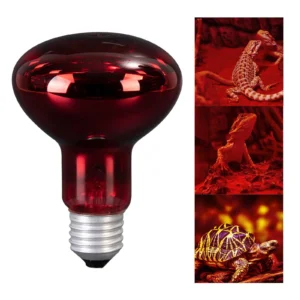
Reptiles are ectothermic — they rely on external heat sources to regulate body temperature. That’s why quality heat lamps, ceramic heat emitters, and full‑spectrum UVB lights are indispensable.
Actionable Tip: Set up a thermal gradient with a basking area of 95–105°F (35–40°C) and a cooler zone around 75–85°F (24–29°C), depending on the species. Always pair heat sources with thermostats to prevent overheating.
2. Substrates & Safe Surfaces
Substrate choice affects cleanliness, humidity regulation, and your reptile’s comfort. While some substrates are natural (like coconut fiber), others are synthetic non‑digestible products engineered to minimize ingestion risks.
Example: Loose sand can cause impaction if accidentally swallowed — a non‑digestible tile option or reptile carpet is safer for many species.
3. Humidity & Environmental Control Tools
Maintaining species‑specific humidity levels prevents respiratory and shedding issues. That’s where hygrometers, misting systems, and water dishes become essential.
Actionable Insight: For tropical species like crested geckos, aim for 60–80% humidity with periodic misting. Arid species like bearded dragons thrive anywhere from 30–40% humidity.
Health & Enrichment Supplies to Boost Welfare
4. Hideouts & Climbing Structures
Reptiles instinctively seek comfort, security, and opportunities to explore. Non‑digestible hide boxes, climbing branches, and logs promote natural behavior and reduce stress.
How to Choose: Ensure hideouts are dimensioned appropriately — large enough to enter comfortably, small enough to feel secure.
5. Thermometers & Hygrometers: Monitoring Essentials
Accurate monitoring lets you make informed adjustments and catch environmental fluctuations early.
Actionable Tip: Place one thermometer on the warm side and one on the cool side of the enclosure. For accurate humidity readings, avoid placing hygrometers near mist nozzles where values can spike momentarily.
6. Cleaning & Sanitation Gear
Reptiles have sensitive immune systems, making hygiene a top priority. Non‑digestible supplies like reptile‑safe disinfectants, scoops, and waste containers keep habitats clean without exposing your pet to toxins.
Example: Spot cleaning every 1–2 days and full sanitizing weekly can reduce pathogens and odors.
Common Pain Points & How the Right Supplies Help
Pain Point 1: Overheating or Underheating
Many pet owners accidentally overheat enclosures. Using accurate thermostats and multiple thermometers prevents dangerous fluctuations.
Pro Tip: Avoid cheap plug‑in bulbs without temperature control. Investing in quality thermostatic control delivers long‑term peace of mind.
Pain Point 2: Improper Humidity
Humidity too high or too low can lead to shedding problems. Adjustable misting systems and digital hygrometers let you fine‑tune conditions rather than guess.
Pain Point 3: Stress & Boredom
Without environmental enrichment, reptiles can become inactive or stressed. Climbing structures and hideouts give them opportunities to explore and feel safe.
Trends Reptile Lovers Are Talking About in 2026
Industry trends show pet owners increasingly prioritize smart monitoring devices that sync with apps, helping them track temperature and humidity in real time. Intelligent sensors and automated misting systems are gaining popularity due to their convenience and reliability.
Additionally, many keepers are moving away from loose substrates that pose impaction risks, favoring non‑digestible textured mats and tiles that strike a balance between safety and aesthetics.
Build Confidence With the Right Supplies
Reptile care is deeply rewarding if you equip yourself with the knowledge and supplies that support your pet’s health. Prioritize Reptile Care & Maintenance Supplies (Non‑Digestible) like heat and lighting systems, environmental controls, safe substrates, and enrichment tools. These foundations don’t just make daily care easier — they create stable, healthy habitats where reptiles thrive.
Ready to take your reptile husbandry to the next level? Share this guide with fellow pet lovers or sign up for our newsletter for more expert care tips and product insights.

0 Comments